Preparing Kenya for future emergencies

Know what to do before an emergency happens, protect your family with simple preparedness steps, and build safer, more resilient communities together.

Learn how to prepare

A Message to Every Kenyan

Preparedness begins with awareness. In this message, hear a citizen's perspective on public safety, national readiness, and the role each of us can play in building stronger, more resilient communities. Take a few minutes to listen, reflect, and join the conversation about how we can prepare together for tomorrow's challenges.

Video coming soon

The appeal

As a concerned Kenyan I am humbly calling upon the army and county governments, chemists, doctors, naturopathic physicians, scientists’, economists, farmers, tentmakers, aquarium builders, juakali technicians, chlorine manufacturers and plastic manufacturers, men of God, teachers, wamama wa vibanda, dereva wa pikipiki, mothers, fathers, children everyone. We need to come together as a nation.

Tuanze kufikiria kwa Pamoja... Two heads are better than one, so imagine if ALL our heads came together.....

Failing to prepare is preparing to fail. COVID caught us off-guard plus when it landed as a nation we had no reference of how to fight a viral outbreak, but now we do. Can we please prepare together.

“Failing to prepare is preparing to fail.”

Our national moment

Sector by sector

Our collective appeal

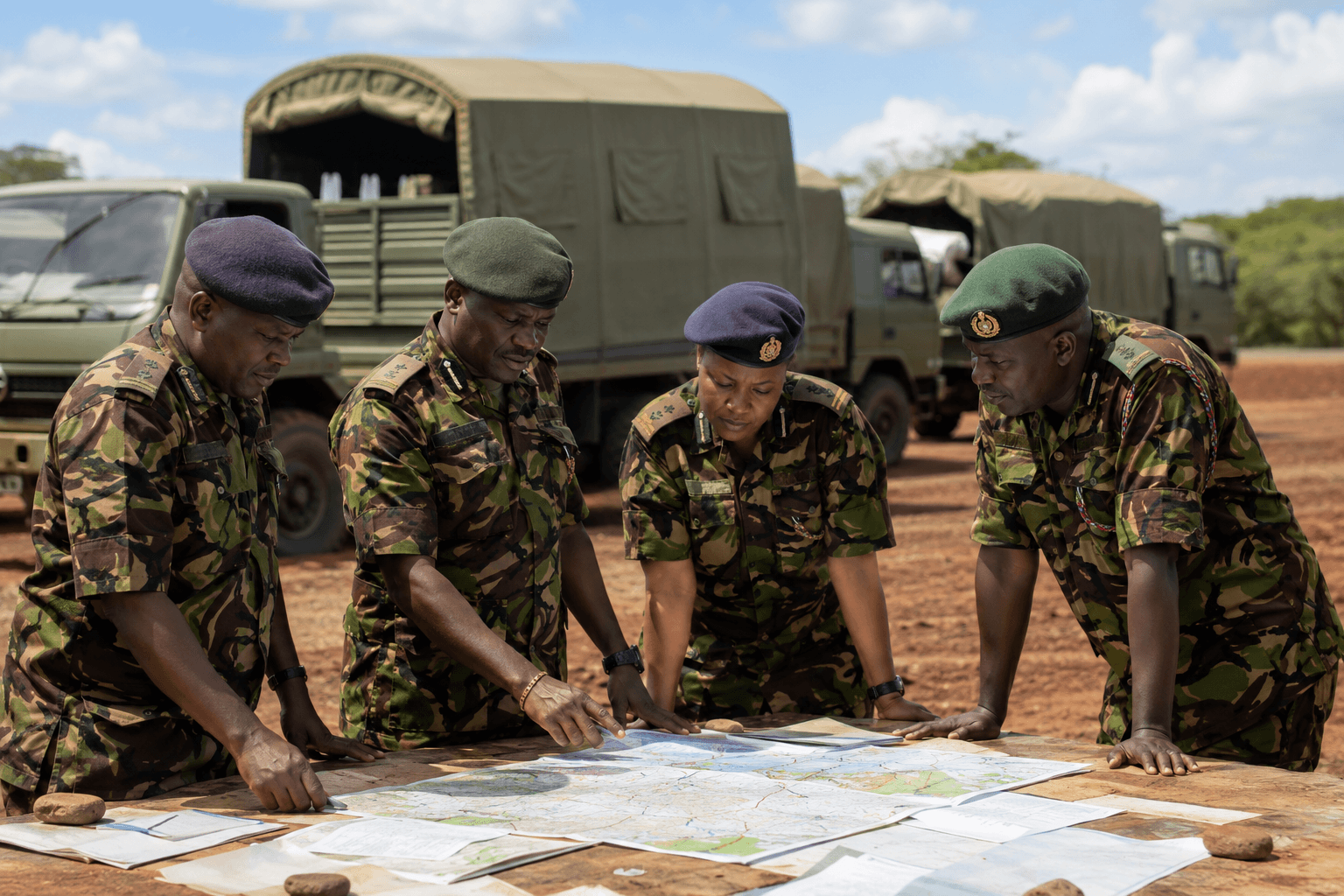
Kenya Defence Forces personnel coordinating emergency preparedness logistics

Sector 01

Army

I know I am a civilian and hence I might not have full understanding, but please hear me out. Can these trucks that you load teargas fluid with during demonstrations be put to other use? If so in the event of an outbreak, God forbid, can they instead be filled with disinfectant and used to clean our neighbourhoods.

The disease has not landed and we pray it never does but can some sort of drill or training be done to check on the efficacy and feasibility of this. Can private companies be equipped with similar trucks or improvised trucks and trained to do so.

Can all counties and/or military bases have disinfectant solution tankers at the ready. In the spirit of reducing possible impact and saving lives in the event of an outbreak can the army please help in distributing protective gear and medical supplies.
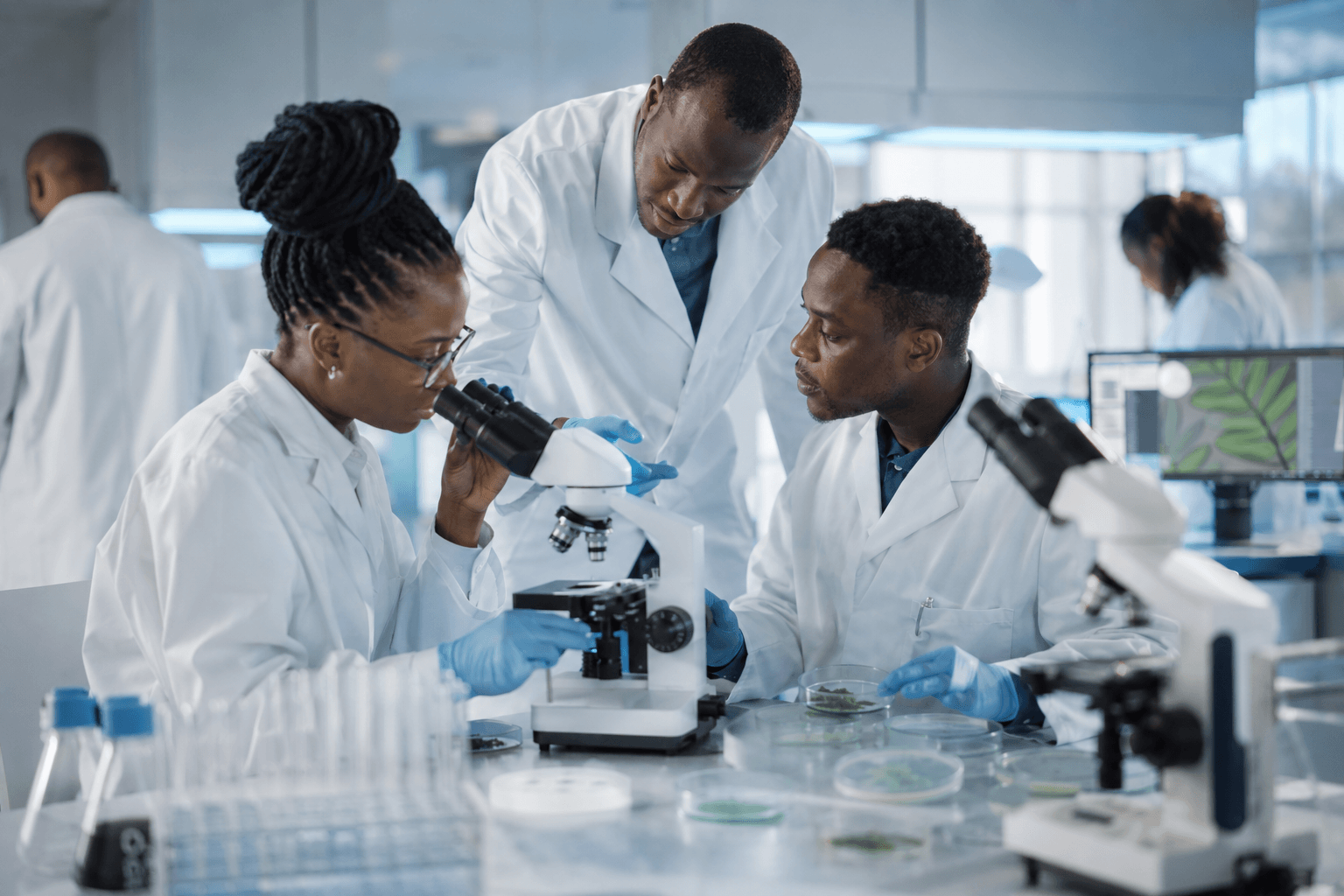
Kenyan scientists collaborating inside a modern research laboratory

Sector 02

Chemists and Scientists

Can the government chemist please tell Kenyans what chemicals are effective in sanitising against this disease. I imagine bleach is one but are there any other. Can they also be clear on concentrations, preparation methods e.t.c. to prevent mishaps. Can they also please inform us how fast these solutions kill the virus.

Can scientists please inform Kenyans on how long this virus can live outside the host victim exposed to natural elements. Also can they please tell us if this disease can be transmitted by handling money and possibly what kind of social mitigation measures can we start routinising as a preventive practise.

Food, clothing and shelter and clean water are the most basic of human needs. Can the authorities concerned please enlighten us on how government intends to hold up these basic needs in the spirit of preparedness. Again on the matter of food, what suggestions can those with expertise in handling such epidemics offer us on social spaces.

How can shops and markets keep their products as ‘safe’ as possible for the general public. Will shop owners now have to spray their shelves or fumigate their premises, will we have to wear gloves to the market? Please provide information on this. Can government help if transition is needed to maybe a more sprayable type packaging, maybe like what we find on rice.

Covid was a viral disease that made Kenyans wear masks and use hand sanitisers, is there anything more we need to be preparing for as pertaining to Ebola. Can we please have factual information on this. Another question on the hearts of many Kenyans is the government prepared to offer protective clothing to all their employees, especially those most at risk. Are we adequately stocked up on this.

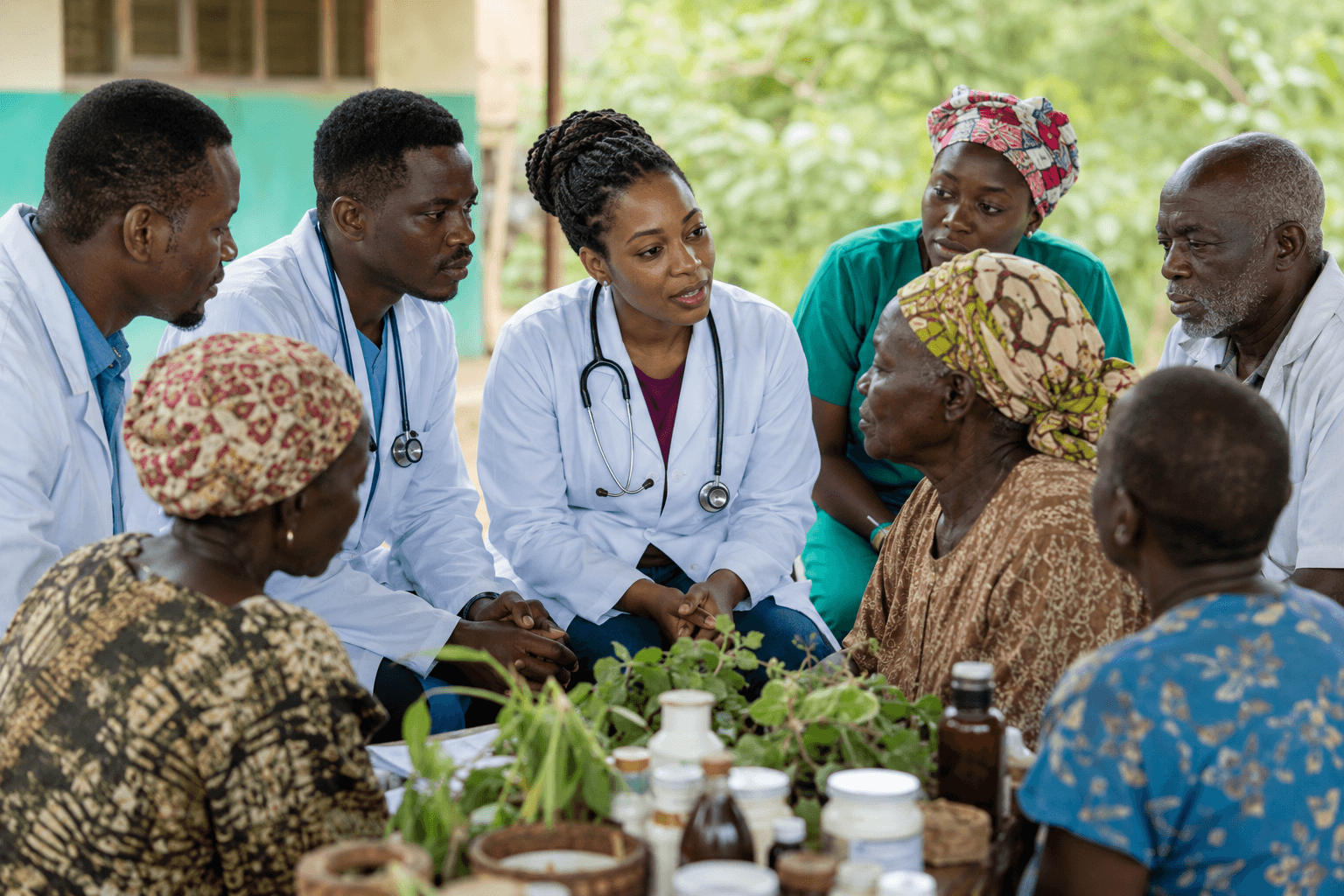
Kenyan doctors and community health practitioners working together

Sector 03

Doctors and Naturopathic Physicians

Can the Kenyan medical community please help Kenyans by shedding more light on this disease. Is there any form of first aid, first line of defence, anything that can help in the event of an outbreak. Could they please educate the public exhaustively on how to boost ones immunity in light of what the Kenyan Public is fighting not to face.

Can they please speak extensively in both our national languages on the topics of: Vaccines, Fevers, Dehydration, Appetite, Seizures, Bleeding e.t.c. in my personal observation all fights this country and possibly continent have had against disease have greatly been boosted by knowledge dissemination, thorough education campaigns.

As I am speaking there is presently no known vaccine of this strain. Are there however tested naturopathic methods that can help the body. Is there anything in nature that can help... even if it is to reduce the magnitude of these symptoms.

Can naturopathic doctors please speak up: Neem extract, Ginseng extract, Orengano extract, Teatree extract, Wormwood extract, IV ozone therapy, blood transfusion, ... ANYTHING? Is there anything we can do to help our white blood cells? If so can dosages be made clear or can government please assist all who might need re-education.

If any of these compounds can help in any way shouldn’t they be made freely available to the local wananchi at least in this season of preparation. For example if neem was beneficial can government look into how it can provide possibly a million plus trees at such short notice. Possibly can farmers who grow neem be supported in any way.....

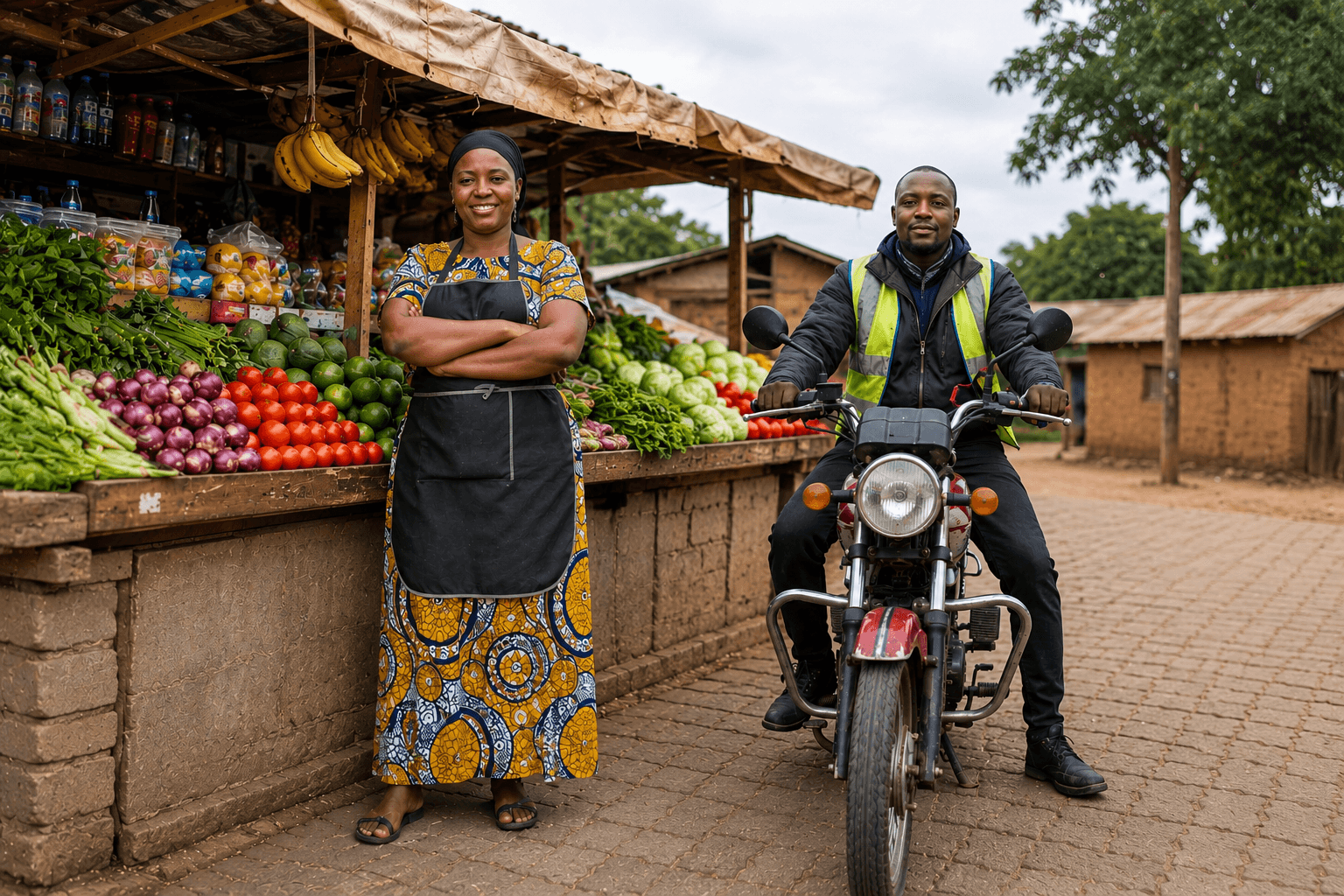
Kenyan market women and boda boda riders serving their community

Sector 04

Wamama wa Vibanda na Dereva wa Pikipiki

Kwanza nashukuru wamama wote wa vibanda, mnaturahishianga upishi na njia kubwa, mbarikiwe. Dereva wote wa pikipiki ambao mnatufikishianga mzigo safe and sound asanteni mbarikiwe.

Sote tunafuata Habari kwa umakinifu sana tukiomba matarajio iwe mema. Lakini nawaomba kwasababu hili ni jambo ambalo sijashuhudia sana, kukiweza kuwa na uwezekano kwa mfano muarobaini au moringa inasaidia tafadhali tutafutieni hizi matawi. Lakin kwanza tungoje tusikie mwongozo wa madaktari.

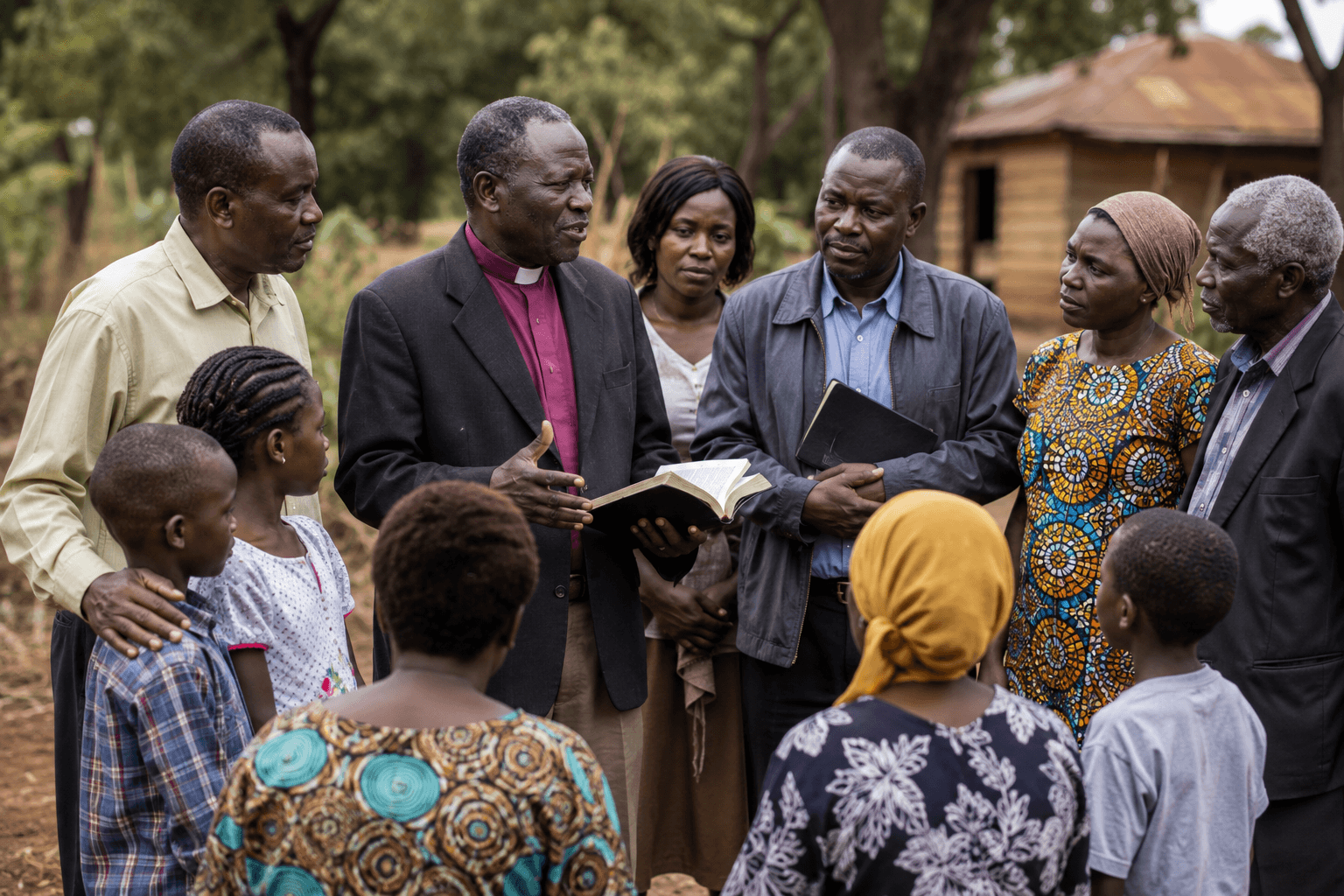
Kenyan faith leaders and teachers discussing community education

Sector 05

Men of God and Teachers

information is power, factual information is effective power, please use your influence wisely and positively.

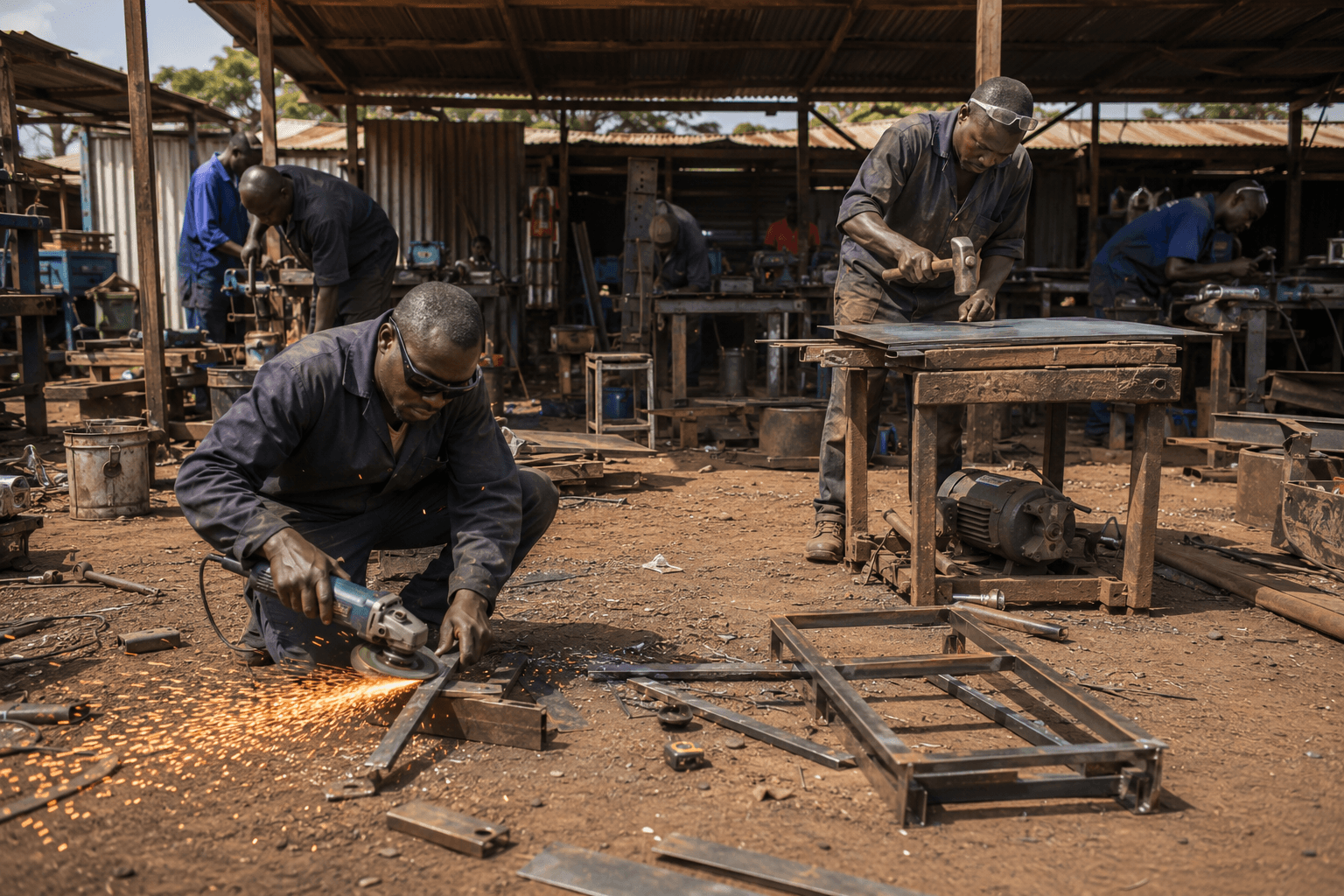
Kenyan jua kali artisans working together in a manufacturing workshop

Sector 06

The Jua Kali Sector

Majority of personal protective equipment is made of various compounds, mostly plastic. Some of the materials listed are vinyl, spunbond polypropelene, meltblown spunbond. Can these plastic raw materials be made locally, if so, can they please be made available to the public. To the extent that even neighbourhood tailors can make protective gear for Kenyans.

Isolation as I have seen from documentaries does help. Can the government kindly incorporate the jua-kali sector namely: tent makers, metal welders, aquarium builders and perspex craftsmen to design and eventually make local biological containment containers. Can Kenyan engineers offer their expertise and guide us on what to do. Again mama invention needs to go the labour ward ... NOW...

A humble plea to government

Make Essential Items Affordable to All

Zero-rating these items removes cost as a barrier to national preparedness. Every Kenyan should be able to access the basic supplies needed to protect themselves and their family.

Item

Knapsack sprayers

Item

Gloves and masks

Item

Plastic that makes these PPE outfits

Item

Chlorine bleach

Item

Soap

Item

Any other item that helps in the fight against Ebola

As a Kenyan I humbly ask can the following items be seriously considered for zero-rated: knapsack sprayers, gloves and masks, plastic that makes these PPE outfits, chlorine bleach, soap and any other item that helps in the fight against Ebola.

I also urge the corporate world and non-governmental organisations please come in and support efforts at disaster preparedness, let us not leave this burden to the government alone. I humbly plead with NGO’S and all community social workers let us all work together in creating awareness. This will prevent the situation where we are so traumatised as a people that disease stigmatization is birthed, denial fuels the spread of infection and superstition provides palatable answers.

Our humble ask

Zero Rate.

Save Lives.

In closing

I applaud the judiciary for what they are doing to protect our borders may Almighty God remember them favourably. To the family members of those who have lost their loved ones who are trying to prevent this disease from entering our country, you are ALL HEROIC, may Almighty God bless you and give you comfort in this difficult time.

My humble plea to this government is please listen to us, hatutaki hii ndege ya kifo itufikie. Please, hear us out.

Wakenya wenzangu, tuungane kwa maombi. Ebola haijui jinsia, haijui umri, haijui dini,haijui rangi ya ngozi, na haijui kabila. Ugonjwa huu haubagui. Wakenya huu ni mtazamo wangu binafsi na nina uhakika Roho wa Bwana ananiongoza. Uko huru kuupokea au la. Zaidi, ya yote tafadhali toa maono yako pia, tafadhali tuanze kuongea kuhusu upambanaji na ugonjwa huu, tujengane akili.

Intercessors we keep on praying

STAY SAFE, STAY SAVED.

God have mercy on Kenya.